Burial Vaults That Ensure Secure Resting Places

Choosing a final resting place for someone we love involves thoughtful decisions that reflect dignity, respect, and lasting remembrance. When families research funeral homes in Allentown, PA, they may encounter questions about burial vaults and their role in protecting a loved one's resting place. Although these structures are not always visible during a funeral service, they serve an important purpose beneath the ground. Understanding their function, available materials, and protective features can help families make informed choices while honoring the wishes and traditions of someone special.
At Connell Funeral Home, Inc., we believe every part of funeral planning deserves compassionate attention and clear explanations. With more than a century of experience supporting families throughout the Lehigh Valley, we understand that unfamiliar terminology can make important decisions feel overwhelming. Our approach focuses on helping families understand their options without unnecessary pressure. Whether arrangements are being made in advance or following a recent loss, we provide thoughtful guidance that respects personal preferences, family traditions, and the importance of creating a peaceful place of remembrance.
What Is a Burial Vault and Why Is It Important?
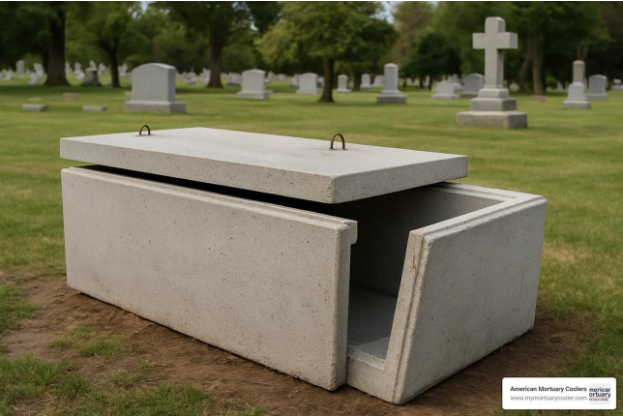
A burial vault is a protective outer container designed to surround a casket after it is placed on the ground. Its primary purpose is to help support the surrounding soil, reduce the likelihood of ground settling, and provide an additional protective barrier around the casket.
Burial vaults are typically manufactured using reinforced concrete, although some models incorporate additional protective materials. Their construction helps maintain the stability of the surrounding burial area over time.
How Burial Vaults Protect a Resting Place
The ground naturally changes as soil settles and environmental conditions fluctuate. Without appropriate structural support, these changes may affect the surface above a burial space.
A properly installed burial vault helps distribute pressure from the surrounding soil and maintenance equipment.
Its principal functions include:
- Structural support: Helps maintain the shape and stability of the burial space.
- Ground stability: Reduces the likelihood of noticeable settling at the surface.
- Additional protection: Provides a barrier between the casket and surrounding soil.
- Long term durability: Uses materials designed to withstand underground conditions.
- Peace of mind: Offers families reassurance that thoughtful protective measures have been considered.
While burial vaults provide important structural benefits, no outer container can guarantee complete protection against every environmental condition indefinitely.
We believe understanding these distinctions helps families make realistic, confident decisions.
Understanding Burial Vaults and Grave Liners
Although the terms are sometimes used interchangeably, burial vaults and grave liners are not necessarily the same.
A grave liner is generally designed to support the surrounding soil and help prevent the burial space from collapsing. It may not provide the same level of enclosure or protective sealing as a burial vault.
A burial vault typically surrounds the casket more completely and may include a fitted lid, reinforced construction, and additional protective features.
Families should also understand that requirements can vary among burial grounds. Some locations require an outer container for ground maintenance purposes, while others offer greater flexibility.
We recommend confirming the applicable requirements before making a final selection.
Choosing the Right Burial Vault for Lasting Protection
Selecting a burial vault involves understanding the available construction materials, protective features, and personal preferences.
Not every vault offers identical characteristics. Differences in reinforcement, interior protection, manufacturing methods, and design can influence how a particular model performs.
Common Burial Vault Materials and Features
Several construction methods are used in modern burial vaults. Understanding their general characteristics can make comparisons easier.
| Vault feature | Primary purpose | What families should consider |
|---|---|---|
| Reinforced concrete | Provides structural strength | Construction quality and reinforcement |
| Protective interior lining | Adds a barrier against moisture | Lining material and coverage |
| Sealed lid system | Helps limit outside intrusion | Seal design and installation |
| Exterior finish | Provides a personalized appearance | Available colors and decorative details |
| Reinforced construction | Supports surrounding ground pressure | Manufacturer specifications |
The exact features depend on the manufacturer and model.
We encourage families to review product information carefully rather than assuming every burial vault provides the same level of protection.
How Do Families Compare Different Vault Options?
The most helpful approach is to compare the structural features, manufacturer specifications, and applicable burial requirements.
Families do not need extensive technical knowledge to begin this conversation. A few practical questions can provide valuable clarity.
- Ask about construction materials. Determine whether the vault uses reinforced concrete and whether additional protective components are included.
- Review the protective features. Understand how the lid, lining, and sealing system are designed to function.
- Confirm burial requirements. Verify whether a particular outer container is required or whether alternatives are permitted.
- Consider personal preferences. Decide whether appearance, decorative finishes, or other details are meaningful to the family.
- Request an explanation of the options. Discuss the differences with a funeral professional before making a decision.
These steps help families focus on practical considerations while avoiding unnecessary confusion.
The Importance of Proper Installation
Even a well-constructed burial vault must be installed appropriately to perform as intended.
Proper placement, alignment, and closure are important aspects of the process. Installation practices should follow manufacturer instructions and the requirements of the burial location.
Environmental conditions, including soil characteristics and groundwater, may also influence long-term performance.
We believe families benefit from understanding that a vault is one component of a complete burial arrangement. Its protective function depends on both its construction and the conditions in which it is placed.
How Burial Vaults Support Meaningful Funeral Arrangements
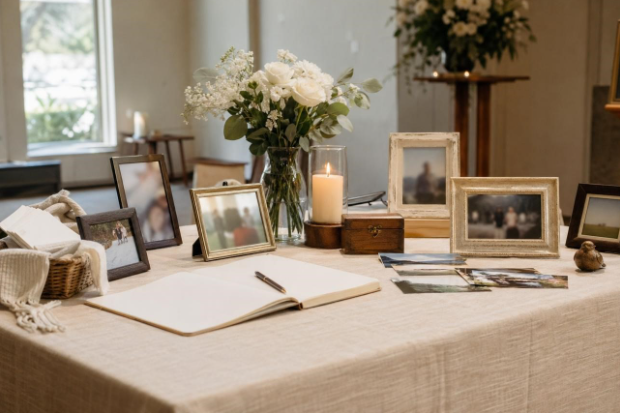
A secure resting place is only one part of a meaningful farewell. Families also value opportunities to gather, share memories, and honor the traditions that shaped their loved one's life.
We believe practical arrangements and personal remembrance should complement one another. Understanding the purpose of a burial vault can provide reassurance, while thoughtful funeral planning creates space for emotional connection.
Connecting Burial Decisions with Family Traditions
For many families, burial represents continuity with generations of personal, cultural, or religious traditions.
A graveside gathering may include prayers, music, meaningful readings, or a quiet moment of reflection. These elements help loved ones acknowledge their loss while honoring a life that remains important to them.
We encourage families to consider how their choices reflect the individual being remembered. A burial vault serves as a practical function, but the surrounding ceremony can carry deeply personal meaning.
Some families appreciate a traditional service followed by a graveside committal. Others prefer a smaller gathering with close relatives.
Our role is to help families understand available arrangements and create an experience that feels respectful and authentic.
Planning Burial Arrangements in Advance
Making burial decisions ahead of time can reduce uncertainty for loved ones and provide an opportunity to communicate personal wishes clearly.
Advance planning may include documenting service preferences, discuss casket options, and identifying any requirements that should be reviewed before arrangements are finalized.
We recommend recording the following information:
- Preferred funeral or memorial service format
- Personal or religious traditions to be honored
- Important family contacts and decision makers
- Preferences regarding burial arrangements
- Questions about protective outer containers
- Relevant documents and existing arrangements
By organizing these details, individuals can give their families a clearer understanding of their wishes.
Frequently Asked Questions About Burial Vaults
Families often have practical questions about burial vaults, especially when encountering these arrangements for the first time. We believe clear answers can help individuals understand their choices without feeling overwhelmed.
Are Burial Vaults Required for Every Burial?
No. State laws do not generally require burial vaults, although individual burial grounds may establish their own requirements for outer burial containers.
A grave liner may also satisfy these requirements. We recommend confirming the specific
Can a Burial Vault Prevent All Moisture from Entering?
No. Burial vaults may provide additional protection against surrounding soil and moisture, but they cannot guarantee complete protection under every environmental condition.
The degree of protection depends on construction, sealing features, installation, and ground conditions.
Are All Burial Vaults Made from Concrete?
No. Reinforced concrete is common, but other materials and combinations of protective linings may be available.
We encourage families to review manufacturer specifications to understand the features of individual models.
Can Burial Vault Preferences Be Included in Advance Planning?
Yes. Individuals can document preferences for burial arrangements and protective outer containers as part of their advance funeral plans.
We can help families review those preferences alongside other funeral decisions and clarify which details may need confirmation later.
Thoughtful Protection for a Place of Lasting Remembrance
Choosing a burial vault is one of several decisions that can help families establish a dignified and thoughtfully prepared resting place. Understanding structural protection, available materials, and installation considerations allows individuals to approach the process with greater confidence. More importantly, these choices can become part of a meaningful farewell that reflects enduring love and respect. At Connell Funeral Home, Inc., we are dedicated to providing compassionate explanations and personalized guidance throughout the planning process. For families comparing funeral homes Allentown, PA, we invite you to speak with our experienced funeral planning team or call (610) 868-8531 to discuss burial vault considerations, traditional funeral arrangements, and the thoughtful steps that can help honor your loved one's memory.