
CREMATION SERVICES
Cremation Services
If your family has chosen cremation, we offer affordable services that help celebrate the life of your loved one while giving you several options for a public gathering, and a final resting place.
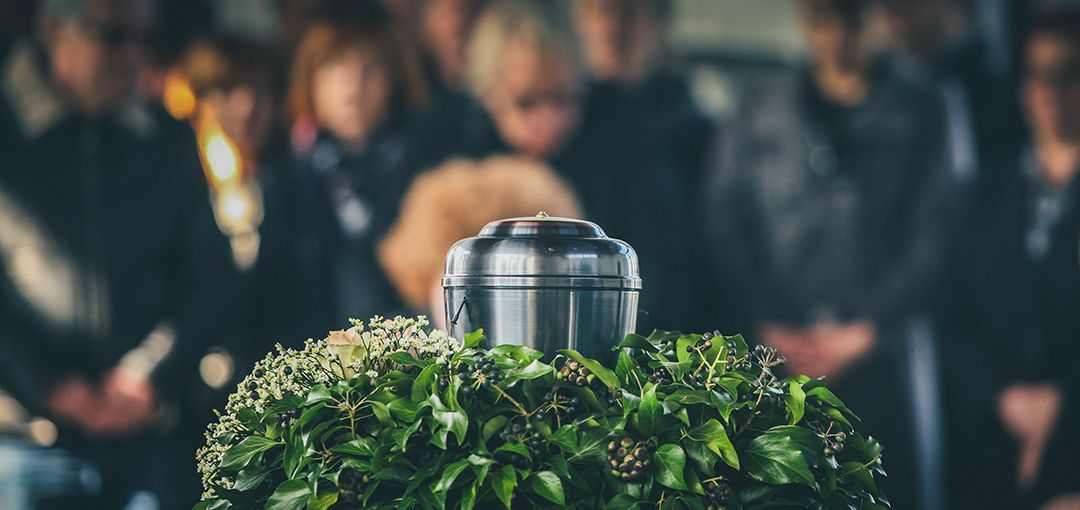
Traditional Funeral Service followed by Cremation
Many families find meaning and beauty in a traditional funeral service. With a traditional service combined with cremation, you can still choose to have a final viewing, visitation or wake, and a funeral service. However instead of in-ground burial, the funeral will be followed by cremation. Depending on your wishes, the cremated remains may be either returned to your family for storage in an urn, scattered, or interred in a columbarium. This option will include fees for the funeral services as well as the fees associated with the cremation itself.
Memorial Service
The memorial service can be held in our chapel, a church, or any other venue the family chooses. We work with our families to design a service that honors their loved one with stories, music, or scripture. We also have life celebrants that lead services where clergy may not be chosen. Our celebrants are trained in creating experiences that help start the healing process.
Graveside Service
A graveside or committal service is typically held immediately following the funeral service but it can also be a small intimate gathering of those closest to you.
Permanent Memorialization
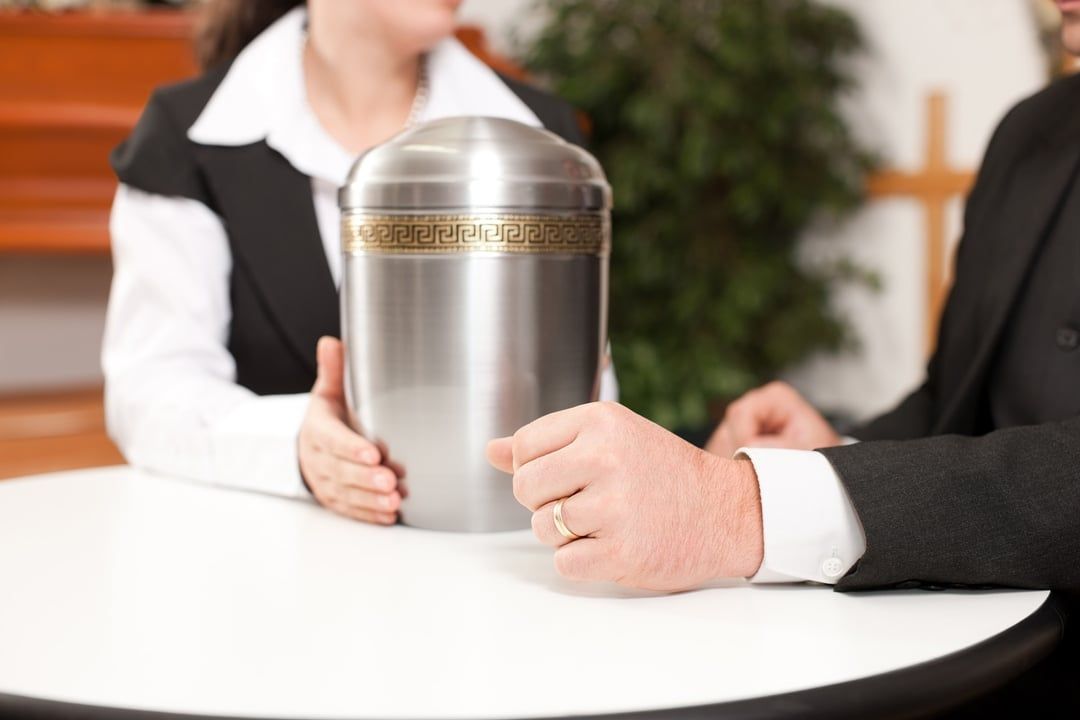
Keeping an Urn at Home
This is a common choice and families can select the perfect urn for their loved one.
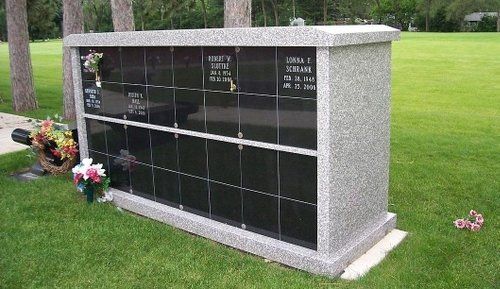
Placing the Urn in a Columbarium (aka, a “niche”)
Many families find comfort in having a final resting place that they can visit.
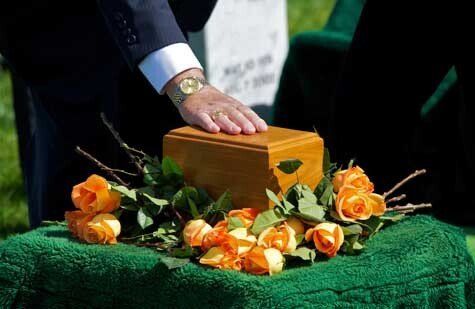
Burying the Urn
Similar to a casket, the in-ground burial of the urn allows for a final resting place.
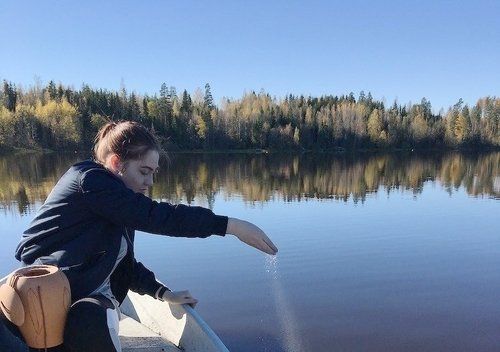
Scattering of the Cremated Remains
Some families find comfort scattering the cremated remains in a place that was special to their loved one.
Cremation Service FAQs
Cremation is a form of final disposition, not a service type. Families can pair it with a viewing, a full funeral, a memorial service, or a graveside gathering. Connell Funeral Home has guided families through these choices since 1919, including authorization requirements, service timing, and permanent memorialization options for the cremated remains.
Can we still have a viewing if we choose cremation?
Yes. A viewing and a full funeral service can take place before the cremation, using a rental or ceremonial casket rather than a purchased one. This is a common misunderstanding. Cremation determines what happens after the service, not whether the family can gather beforehand.
Cremation can be combined with any of the following:
- A traditional funeral with viewing and visitation held before the cremation
- A memorial service held after the cremation, with or without the urn present
- A graveside service at the time the urn is interred
- A church or place of worship service, coordinated with clergy
What determines the cost of a cremation service?
The service you build around the cremation drives the cost far more than the cremation itself. A memorial or full funeral adds facility use, staffing, and personalization. Urns and permanent memorialization are separate, and cemetery charges are billed by the cemetery rather than the funeral home.
| Cost element | Notes |
|---|---|
| Basic services and cremation fee | The core professional services and the cremation itself. Present in every option. |
| Viewing and visitation | Facility use, staffing, and a rental or ceremonial casket if a viewing is held. |
| Service type | A full funeral includes visitation and ceremony. A memorial service is held after the cremation. Each carries its own facility and staffing time. |
Direct cremation vs a traditional funeral with cremation: what is the difference
Direct cremation means the cremation happens without a preceding service, and the family receives the remains afterward. A traditional funeral with cremation includes viewing, visitation, and a service first. The choice is about how the family wants to gather, not about the cremation process itself.
| Consideration | Direct cremation | Traditional funeral with cremation |
|---|---|---|
| Service before cremation | None | Viewing, visitation, and funeral service |
| Casket | Not required | Rental or ceremonial casket typically used |
| Timeline | Shortest | Longer, since the service must be scheduled |
How does the cremation process work from the first call to receiving the urn?
The funeral home takes the person into its care, obtains the legal authorization from the next of kin, files for the permit and death certificate, and schedules the cremation. Pennsylvania requires signed authorization from the legally authorized party before cremation can proceed, which is what sets the timeline.
- The family calls the funeral home at any hour, and the person is taken into care.
- An arrangement conference confirms the service plan and the disposition choice.
- The legally authorized next of kin signs the cremation authorization.
- Vital statistics are gathered, and the death certificate and cremation permit are filed.
- Any viewing or funeral service takes place if the family has chosen one.
Is cremation always the cheaper option
Not always. Direct cremation is the lowest cost option available, but a cremation paired with viewing, visitation, a full service, an urn, and a columbarium niche can cost as much as a modest burial. The service choices drive the total, not the disposition method.
Where the assumption breaks down:
- A full funeral with viewing before cremation carries most of the same facility and staffing costs as a burial funeral
- Columbarium niches, urn burial, and memorial inscriptions are additional cemetery charges
- Urns, keepsake jewelry, and multiple certified death certificates add up
- Choosing direct cremation to save money, then holding a separate memorial, sometimes costs more overall
What areas do you serve?
Connell Funeral Home serves families in Bethlehem, Allentown, and Middletown, Pennsylvania, and throughout the Lehigh Valley. Our staff handles Pennsylvania cremation authorization, burial permits, and death certificate filing for every family we serve, including those arranging from out of town or transferring a loved one from another county.
Service Area Breakdown
- Primary target cities: Families arranging cremation services in Middletown, PA can rely on Connell Funeral Home for the Pennsylvania authorization and permit filing, with the same staff serving Bethlehem, PA and Allentown, PA.
- Surrounding towns and neighborhoods:
Easton,
Nazareth,
Whitehall, and surrounding areas.